
SLEEP
Sleep.
Is anyone else not sleeping their best since we have been in this Pandemic? Here is the beginning of some resources.
Using Essential Oils to help with Sleep
Having trouble falling asleep and staying asleep is a prevalent issue; 33 percent of Americans are not getting the recommended amount of sleep per night. While some might be tempted to excuse away their lack of sleep, depriving your body of sleep has a broad range of negative impacts on your body. There are a variety of reasons for this, including a higher-stress modern society, electronics, and an increase in sleep related problems. There are many sleep aids on the market that promise to alleviate this issue, but many methods have unwanted side effects. One huge benefit of essential oils includes the impact they can have on sleep in a natural, balanced way.
Keep reading to learn how to use essential oils for sleep.
Calming Essential Oils
Many essential oils for sleep have calming benefits. Essential oils like Lavender and Bergamot are rich in linalool and linalyl acetate; both compounds have well-known relaxing properties. These oils can be diffused aromatically in the bedroom to create a peaceful environment before bed. They can also be taken internally to calm the nervous system, promote relaxation, and lead to a restful sleep.* You can add two to four drops of Lavender or Bergamot essential oil to herbal teas like chamomile or Lemongrass about 30 minutes before going to bed. Alternately, when you’re not in the mood for a warm drink, simply add two to four drops of Lavender into an empty capsule and swallow.
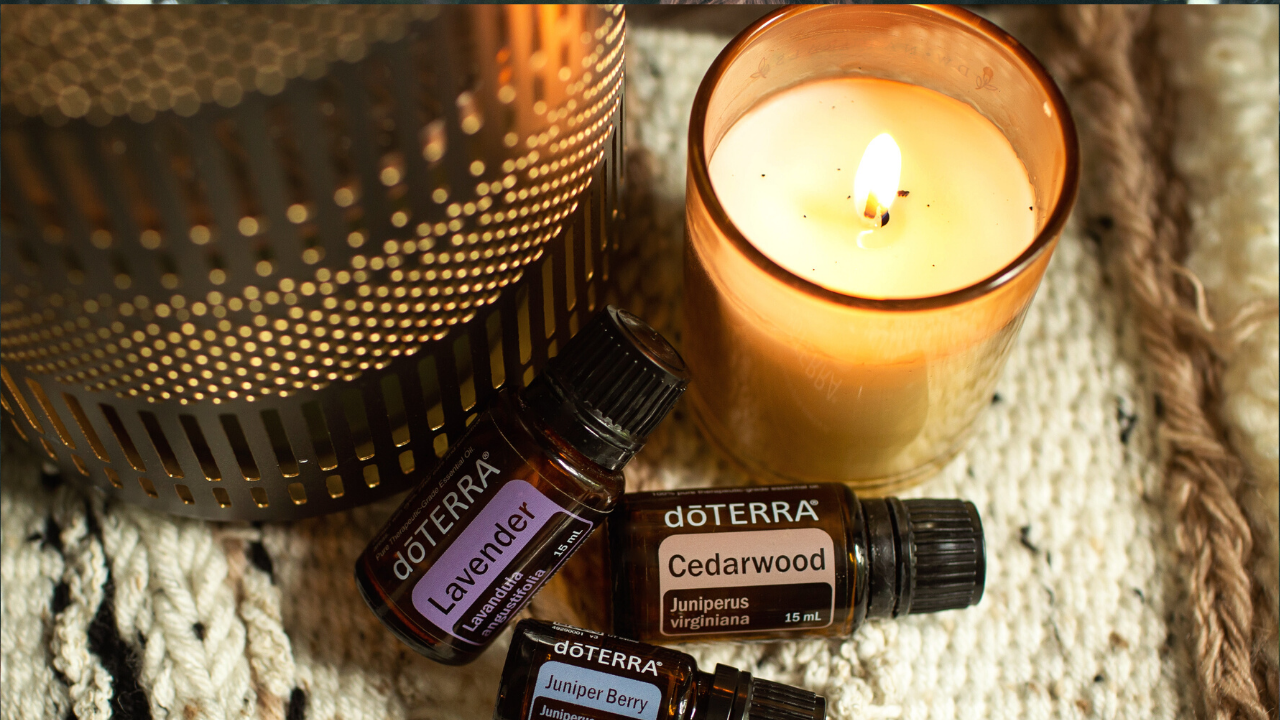
Aside from Lavender and Bergamot, many oils can be diffused to help create the soothing environment you need to fall asleep.
doTERRA Balance®
doTERRA Breathe®
Cilantro
Clary Sage
Melissa
Sandalwood
doTERRA Serenity®
Thyme
Roman Chamomile
Some essential oils for sleep need to be taken internally for their benefits. Petitgrain, Vetiver, and Roman Chamomile all can be taken internally to help soothe your body and prepare for sleep.*
doTERRA Serenity™ Restful Complex Softgels
To relieve occasional sleeplessness, take doTERRA Serenity Softgels.* The softgel contains a combination of Lavender essential oil, L-theanine (an amino acid found in green tea), and plant extracts including lemon balm, passionflower, and german chamomile. Multiple studies show the benefits of all the ingredients on improving your sleep.*
L-theanine specifically has been shown to improve sleep efficiency which refers to the amount of time you are actually asleep. It also improves sleep latency, or the amount of time it takes you to fall asleep once the lights are off. Both are important to healthy sleep as those who are able to fall asleep faster are usually more likely to have efficient sleep.
More Tips to Help You Sleep
Eat Well. Avoid high-carbohydrate foods which flood the muscles with glucose, causing involuntary muscle movements during sleep, and disruption. When you get the nighttime munchies, it often means that your body is tired, so it may just be time to head for bed. Otherwise, try snacking on nuts. Nuts provide protein and fat, which are not only satisfying, but are slowly digested, which can provide a calm sleep. They are also rich in magnesium, a mineral that helps to calm the nervous system.
Exercise at the right time, or do the right type of exercise. Getting plenty of exercise keeps our weight in check, but it can also help with sleep. The downside is that exercising too close to bedtime ramps up metabolism and body temperature and can make it difficult to fall asleep. If you prefer working out at night, try to keep your workout in the evening at least three or four hours away from bedtime. Or, change up the exercise you do—stretching and yoga are perfect to soothe the mind and unwind.
Get into a routine. Try to maintain a regular sleep schedule, going to bed at the same time and waking up at the same time. Creating this rhythm helps regulate your body’s internal clock and may help you sleep better.
Avoid bright light and electronics. Remove all electronics from the bedroom, including televisions, computers, and other electronic devices. Try to avoid bright light at least an hour before going to bed. Darkness will help your body begin producing melatonin, a hormone that naturally regulates sleep.
Create a haven for sleep. Put to use the various essential oils for sleep. Make sure your bedroom is a quiet, dark, and relaxing environment, which is neither too hot, nor too cold. Your bed and pillows should be supportive, yet comfortable. Your body needs time to shift into sleep mode, so spend the last hour before bed doing a calming activity such as reading or taking a warm bath.
Resources:
Listen.
It all begins with an idea. Maybe you want to launch a business. Maybe you want to turn a hobby into something more. Or maybe you have a creative project to share with the world. Whatever it is, the way you tell your story online can make all the difference.
DIFFUSE it.
PDF eBOOK
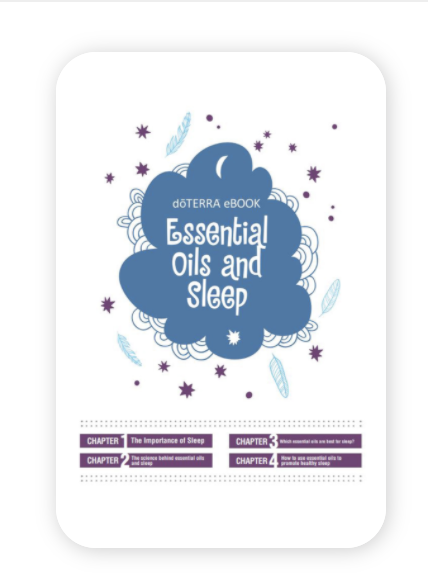
In depth reading & listening
Kids + Sleep
Age Recommendation: 9+
Download: Sleep Experiment Worksheet
Download: Sleep Activity Page
Have you ever tried to not go to bed? Maybe you’re worried about missing something exciting or you simply don’t want to go to sleep yet. While at times sleep may seem like a hassle, or an interruption to fun, it actually plays a very important part in your health.
Why We Need Sleep
Did you know that you will spend about one third of your life sleeping? That’s a pretty big chunk of time, but it’s necessary for your health. Sleep influences many of the organs and structures of your body. For example, not getting enough sleep weakens your immune system, the different parts of your body that work together to keep you healthy.
Sleep is also important because it plays a role in memory. At the end of the day, your brain needs to process everything that has happened and store it so you can remember it later. This allows your brain to prepare for a new day of learning. This means that not getting enough sleep actually influences how you do in school. If you’re tired, it’s hard to pay attention and learn.
How Sleep Works
There are two different types of sleep you experience throughout the night: REM sleep and NREM sleep. REM, or rapid eye movement, sleep is a type of sleep that typically has more dreaming and body movement. This includes your eyes rapidly moving, which is where it gets its name. NREM, or non-rapid eye movement, sleep is usually dreamless sleep where your breathing slows and there is less body movement.
In order to get a good night’s sleep, your body typically needs to go through 4 stages of NREM sleep followed by 1 stage of REM sleep. The need to go through these different stages of sleep is one reason why it’s so important for you to get enough sleep each night.
Ways to Improve Sleep
The amount of sleep you need depends on a few factors, one of which is age. According to the National Sleep Foundation, children between the ages of 6 and 13 need about 7 to 12 hours of sleep each night. But what if you’re having a hard time sleeping?
There are many things you can do at the end of the day to help you sleep better. Following a bedtime routine is a big help. You can also diffuse calming essential oils.
To learn more about your own sleeping habits, check out the doTERRA Science for Kids experiment linked above.
Recommended reading ages are given as suggestions and a starting point when reading dōTERRA Science for Kids content. You have a better understanding of the needs of your child and what level they are currently working at. Feel free to adjust content to better suit the individual needs of your child.
doTERRA Serenity® Restful Blend can be used by children and adults via diffusion or applied topically at bedtime to promote feelings of relaxation. doTERRA Serenity™ Restful Complex Softgels, formulated for adults, assist in the ever-important task of getting and staying asleep.*